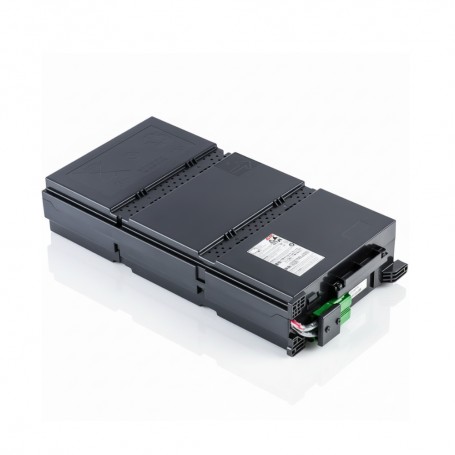
Which APC RBC Battery Do I Need? Full Replacement Guide for Businesses

Introduction

For any business, choosing the right APC replacement battery is essential to maintain uninterrupted power. Using an incompatible RBC model can shorten UPS runtime, cause unexpected shutdowns, or void warranties. Procurement officers, IT managers, and network engineers need clear guidance to select the correct part quickly and efficiently.

This guide covers all popular APC RBC batteries, including APCRBC141, APCRBC132, APCRBC115, RBC57, APCRBC157, APCRBC155, APCRBC118, APCRBC159, RBC34, RBC24, APCRBC133, and APCRBC143. You?ll find compatibility tables, performance insights, and actionable guidance to make informed purchasing decisions.


Quick Answer

Which APC RBC battery should you choose?
Check your UPS model first. Each Smart-UPS unit requires a specific RBC model. Choosing the OEM APC battery guarantees maximum runtime, maintains warranty coverage, and avoids costly downtime.

Examples:

  • Smart-UPS 1500 ? RBC57
  • Smart-UPS 1500 RM ? APCRBC141
  • Smart-UPS 2200 ? APCRBC132

APC RBC Battery Compatibility

UPS Model Compatible RBC Typical Use Case
Smart-UPS 1500 RBC57 Standard office servers and desktops
Smart-UPS 1500 RM APCRBC141 Rack-mounted office setups
Smart-UPS 2200 APCRBC132 Mid-size office racks
Smart-UPS 3000 APCRBC143 Data center rack deployment
Smart-UPS 2200 RM APCRBC157 Enterprise racks with high load
Smart-UPS 1500 XL APCRBC155 Extended runtime SMB servers
Smart-UPS 1000 APCRBC115 Small office UPS units
Smart-UPS 2200 XL APCRBC159 High-load racks
Smart-UPS 3000 RM RBC34 Large data center UPS backup
Smart-UPS 500 RBC24 Small branch office UPS
Smart-UPS 500 RM APCRBC118 Compact rack deployment
Smart-UPS 2200 RT APCRBC133 Redundant rack UPS

APCRBC141

Replacement Battery Cartridge

Genuine APC RBC for restoring UPS runtime and ensuring stable backup power performance.
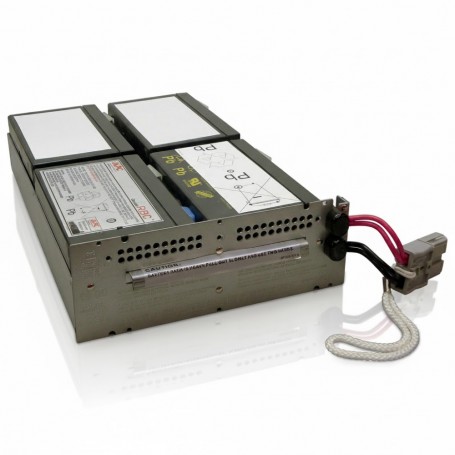
APCRBC132

Replacement Battery Cartridge

OEM APC battery cartridge designed for dependable UPS backup and enterprise reliability.
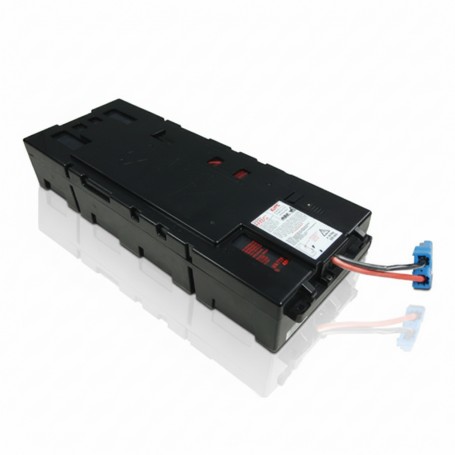
APCRBC115

Replacement Battery Cartridge

Reliable APC RBC module ensuring consistent UPS performance and extended service life.
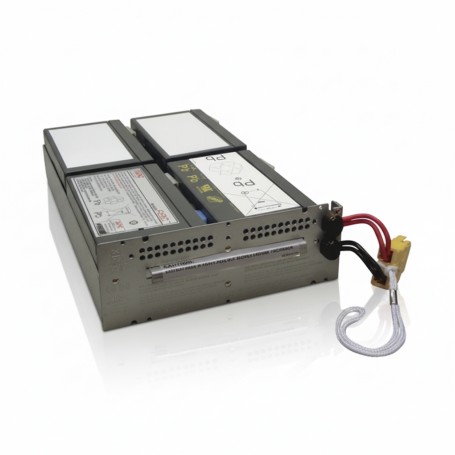
APCRBC133

Replacement Battery Cartridge

APC OEM replacement battery cartridge for stable UPS backup and mission-critical uptime.
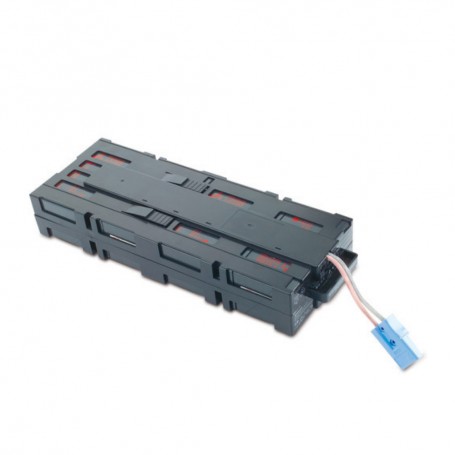
RBC57

Replacement Battery Cartridge

Genuine APC RBC ensuring stable UPS runtime and reliable power continuity for IT systems.
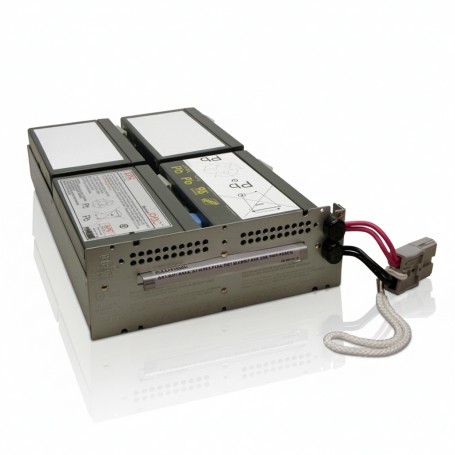
APCRBC157

Replacement Battery Cartridge

APC certified battery cartridge built for dependable UPS backup and long lifecycle performance.
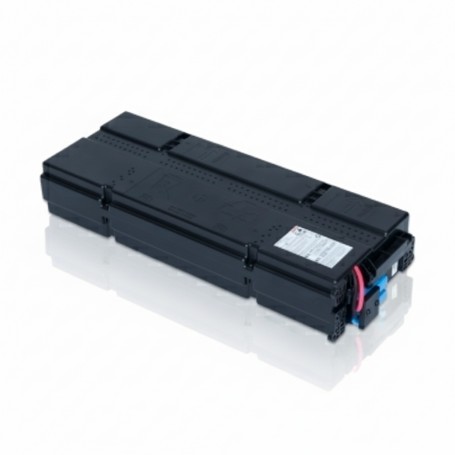
APCRBC155

Replacement Battery Cartridge

OEM APC RBC designed for secure UPS operation and consistent backup power delivery.
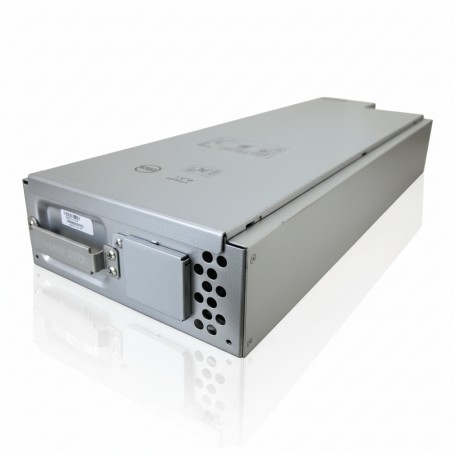
APCRBC118

Replacement Battery Cartridge

Reliable APC battery cartridge for uninterrupted UPS performance in critical environments.
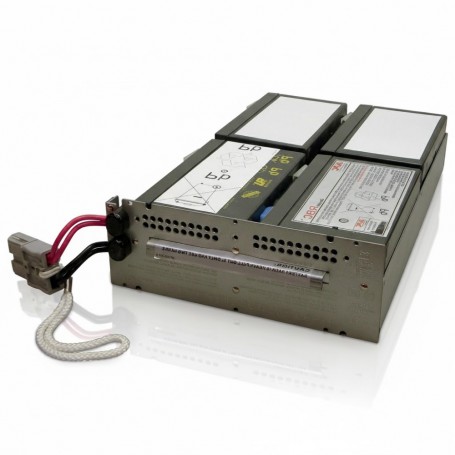
APCRBC159

Replacement Battery Cartridge

APC RBC module engineered for stable UPS runtime and dependable power backup support.
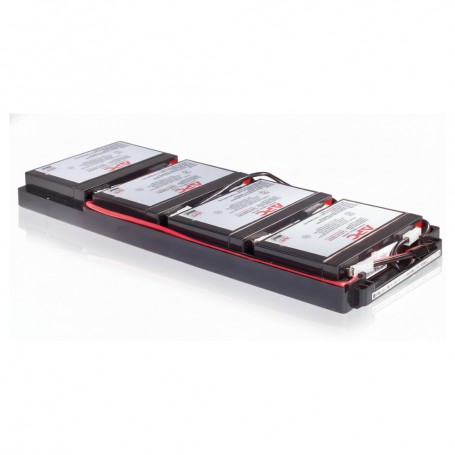
RBC34

Replacement Battery Cartridge

APC replacement battery cartridge ensuring reliable UPS operation and long-term stability.
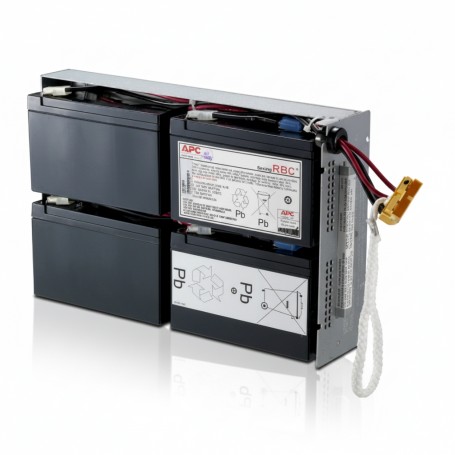
RBC24

Replacement Battery Cartridge

OEM APC battery cartridge designed for stable UPS backup and mission-critical applications.
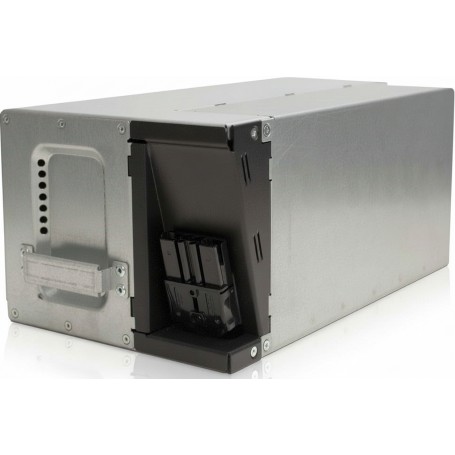
APCRBC143

Replacement Battery Cartridge

Genuine APC RBC ensuring dependable UPS runtime and critical infrastructure protection.


SKU Performance Overview

  • APCRBC141: Smart-UPS 1500 RM, runtime ~10?15 min, ideal for medium office racks
  • APCRBC132: Smart-UPS 2200, runtime ~12?18 min, mid-size business racks
  • APCRBC115: Smart-UPS 1000, runtime ~8?12 min, small office use
  • RBC57: Smart-UPS 1500, runtime ~10 min, desktop/server setups
  • APCRBC157: Smart-UPS 2200 RM, runtime ~15?20 min, enterprise racks

Other SKUs follow similar patterns with runtime, UPS compatibility, and business use cases.


Procurement Insights

  1. When to Buy: Replace before runtime drops below 50% to avoid downtime.
  2. OEM vs Generic: OEM APC batteries maintain warranty and ensure full runtime. Generic replacements may save cost upfront but increase risk.
  3. Budget Considerations: Bulk orders reduce per-unit cost and ensure continuity across multiple UPS units.
  4. Long-Term Planning: Track replacement cycles to prevent unexpected outages and emergency labor costs.

Real-World Use Cases

  1. 25-user office: Smart-UPS 1500 with RBC57 ensures runtime for VoIP, cloud apps, and local servers.
  2. Retail branch: Smart-UPS 2200 RM with APCRBC157 supports POS systems and network switches during outages.
  3. Data center rack deployment: Smart-UPS 3000 RM with APCRBC143 ensures uninterrupted power for high-density servers.

Final Recommendation

Always choose OEM APC RBC batteries to maintain warranty and full runtime. Use the compatibility table to identify the correct battery for your UPS. Replace proactively rather than waiting for failure to avoid downtime and additional costs.

For businesses in the US or globally, ordering directly from a trusted supplier like DC Suppliesÿensures genuine OEM batteries, fast shipping, and support for bulk procurement. Secure your UPS runtime today by reviewing your units and selecting the correct RBC model.

How to Size an APC UPS for Servers and Network Equipment

Introduction

Properly sizing a UPS is critical to ensure uptime, prevent overloads, and protect sensitive IT equipment. APC UPS systems are widely used in enterprise environments, but choosing the right capacity requires more than just guessing power needs.

This guide explains how to correctly size a UPS for servers and network equipment using a practical, engineer-level approach.

Quick Answer (Featured Snippet Target)

How do you size an APC UPS for servers?

  1. Calculate total power load (Watts/VA)
  2. Add 20?30% headroom
  3. Determine required runtime
  4. Choose a UPS with sufficient capacity and battery support

Step-by-StepÿUPS Sizing Process

1. Calculate Total Power Load

List all devices in your rack:

  • Servers
  • Switches
  • Routers
  • Storage systems

Add their power consumption (in watts).

Example:

Device Power (Watts)
Server 1 400W
Server 2 350W
Switch 150W
Storage 300W
Total 1200W

2. Convert Watts to VA

UPS systems are rated in VA (Volt-Amps).

Formula:
VA = Watts ö Power Factor (typically 0.8)

Watts Calculation VA
1200W 1200 ö 0.8 1500 VA

3. Add Safety Margin

Always add 20?30% extra capacity:

Base Load +25% Margin Final Requirement
1500 VA +375 VA ~1900 VA

ÿRecommended UPS size: 2000?2200 VA

4. Determine Runtime Requirements

Use Case Recommended Runtime
Graceful shutdown 5?10 minutes
Generator backup 10?20 minutes
Critical systems 20?30+ minutes

Tip:
Choose APC UPS models with external battery packs for longer runtime.

5. Select the Right UPS Type

Scenario Recommended UPS
Servers & networking APC Smart-UPS
Small office devices APC Back-UPS
Rack deployment Rackmount UPS

ÿFor servers, Smart-UPS is strongly recommended due to pure sine wave output.

Common Sizing Mistakes to Avoid

  • Undersizing the UPS (causes overload shutdowns)
  • Ignoring future expansion
  • Confusing watts and VA
  • Not planning runtime requirements
  • Using entry-level UPS for servers

Recommended UPS Sizing Table

Total Load (Watts) Recommended UPS Size
500?800W 1000?1500 VA
800?1500W 1500?2200 VA
1500?3000W 2200?5000 VA
3000W+ 5kVA+ enterprise UPS

Enterprise Insight (B2B Perspective)

When Proper Sizing Matters Most

  • Virtualized environments
  • Storage-heavy workloads
  • Remote or unmanned sites

TCO Consideration

  • Slight oversizing reduces risk
  • Proper sizing extends battery life
  • Prevents downtime costs

Real-World Example

Scenario: Small server rack

  • Load: 1200W
  • Required runtime: 15 minutes

Recommended:

  • 2kVA APC Smart-UPS
  • Optional external battery pack

Final Recommendation

Choose a UPS that:

  • Handles current load + 25% growth
  • Meets your runtime requirement
  • Supports rackmount deployment

ÿAvoid:

  • Running UPS at 100% capacity
  • Using Back-UPS for servers

Conclusion

Sizing an APC UPS correctly ensures reliability, scalability, and protection. By calculating load, adding margin, and planning runtime, you can select the ideal UPS for your server and network equipment.

APC Smart-UPS vs APC Back-UPS: Which One Is Right for Business Use?

Introduction

Choosing the right Uninterruptible Power Supply (UPS) is critical for maintaining uptime, protecting equipment, and avoiding data loss in business environments. APC offers two major UPS product lines:

  • Smart?UPS ? designed for business and enterprise environments
  • Back?UPS ? geared toward home offices and small businesses

Understanding the differences helps you match the right UPS to your power needs, budget, and reliability expectations.

Quick Answer (Featured Snippet Target)

Which UPS is right for business use?

  • APCÿSmart?UPS: Best for enterprise, servers, storage, networking, and mission?critical systems with advanced management needs.
  • APC Back?UPS: Suitable for small offices, desktops, and non?critical systems where cost and basic protection matter more than advanced control.

Technical Comparison

Smart?UPS Overview

Smart?UPS units are built for business and data center usage. They feature:

  • Pure sine?wave output (better for sensitive IT equipment)
  • Scalable runtime with external batteries
  • Network management card options (remote monitoring)
  • Advanced battery management

Ideal for:
Servers, virtualization hosts, storage arrays, networking gear

Back?UPS Overview

Back?UPS models are designed for basic power protection and smaller workloads:

  • Simpler setup
  • Battery backup for desktops, POS systems, and edge devices
  • Basic surge protection

Ideal for:
Small offices, workstations, printers, point?of?sale

Feature Comparison Table

Feature APC Smart?UPS APC Back?UPS
Target Use Case Enterprise & mission?critical Small business & home office
Output Type Pure sine wave Stepped approximation
Runtime Scalability Yes (external battery packs) Limited
Management Advanced (network cards + software) Basic
Form Factor Rackmount & tower Mostly tower
Surge Protection Yes Yes
Cost Higher Lower
Remote Monitoring Yes Limited or no

Pros and Cons

APC Smart?UPS

Pros

  • Excellent protection for business systems
  • Pure sine?wave output
  • Scalable and remotely manageable
  • Better battery life and diagnostics

Cons

  • Higher cost upfront
  • More complex configuration

APCÿBack?UPS

Pros

  • Affordable power protection
  • Easy setup
  • Good for desktops and small equipment

Cons

  • Not ideal for critical server infrastructure
  • Limited expandability and remote control
  • Basic battery runtime

Business Use Case Scenarios

1. Small Office or Workstation Deployment

Recommended: APC Back?UPS
Use it for desktops, printers, POS terminals, and basic network switches where uptime is important but not critical.

2. Server Room or Small Data Center

Recommended: APC Smart?UPS
Servers, storage units, and networking equipment demand clean power, management features, and scalable runtime.

3. Remote Branch Offices

Recommended: APC Smart?UPS (mid?range)
Remote locations benefit from remote monitoring and reporting.Choosing Based on Needs

Priority Recommended UPS Line
Low budget & basic protection Back?UPS
Business servers & network equipment Smart?UPS
Remote sites needing monitoring Smart?UPS
Desktops and small devices only Back?UPS

Conclusion

  • APC Smart?UPS is the best choice for business environments that require advanced protection, remote management, and scalable runtime.
  • APC Back?UPS is ideal for smaller business setups, basic protection needs, and cost?conscious situations.

The right choice depends on your equipment criticality, monitoring needs, and budget.

APC Data Center Power Solutions: UPS, PDUs, and Rack Infrastructure

Introduction

Power reliability is critical in modern data centers. APC by APC offers UPSÿsystems, PDUs, and rack infrastructure that protect equipment, enable monitoring, and ensure uptime. Combining these components creates a complete rack-level power strategy for enterprise deployments.

Quick Answerÿ

WhichÿAPC solutions are best for data center power?
APC UPS systems provide backup and surge protection, PDUs handle organized distribution and remote control, and APC racks optimize airflow and equipment management.

Technical Breakdown

1. UPS (Uninterruptible Power Supply)

  • Protects against outages and voltage fluctuations
  • Rackmount or tower form factor
  • Expandable runtime with external batteries
  • Remote monitoring via network management cards

Real-world impact:
Keeps critical servers, storage, and network devices online.

2.ÿPDU (Power Distribution Unit)

Feature Metered PDU Switched PDU
Power Monitoring Yes Yes
Outlet Control No Yes
Remote Reboot No Yes
Cost Lower Higher
Best Use Basic monitoring Full remote control & automation

Real-world impact:

  • Metered PDUs for visibility
  • Switched PDUs for enterprise automation and remote troubleshooting

3. Rack Infrastructure

  • APC NetShelter racks support PDUs and UPS
  • Optimized for airflow and cable management
  • Modular, scalable for future expansion

Real-world impact:
Ensures high-density, organized, and energy-efficient deployments.

Pros and Cons

Component Pros Cons
APC UPS Reliable backup, scalable runtime, surge protection Higher upfront cost for high-capacity models
APC PDU Metered: cost-effective; Switched: remote control Switched PDUs are more expensive
Rack Infrastructure Organized, airflow optimized, scalable Initial investment higher than generic racks

Enterprise Deployment Insight

  • Best for: Medium to large enterprise data centers
  • When to buy: Planning new racks or upgrading power reliability
  • When not to buy: Minimal hardware racks with low power criticality

TCO Perspective:

  • CapEx: Moderate?High depending on UPS/PDU choice
  • OpEx: Lower with automation & remote management
  • ROI improves in multi-rack or multi-site deployments

Final Recommendation

ÿChoose APC power solutions if you need:

  • Complete power reliability
  • Monitoring + automation
  • Scalable, enterprise-grade infrastructure

ÿAvoid if:

  • Small non-critical server rooms
  • Low budget without future expansion plans

How to Choose the Right APC UPS for Your Server Rack

Introduction

Uninterruptible Power Supplies (UPS) are a foundational component in any server rack environment. A UPS protects critical infrastructure from power outages, brownouts, and surges?ensuring uptime and safeguarding your data center equipment. When it comes to reliable UPS solutions, APC from Schneider Electric is one of the most trusted names in enterprise environments.

This guide will walk you through how to choose the right APC UPS for your server rack by covering power requirements, runtime needs, form?factor considerations, and additional features that matter in real deployments.

Quick Answerÿ

To choose the right APC UPS for your server rack:

  1. Calculate total power load (VA / watts)
  2. Determine required runtime during outages
  3. Choose the proper UPS form factor
  4. Select features like management, scalability, and redundancy

The best APC UPS balances capacity, uptime, and budget while protecting your server equipment.

Step 1: Calculate Your Power Requirements

Before selecting a UPS, you must determine how much power your rack equipment consumes.

How to calculate:

  • List every device in the rack with its power draw (in watts or VA)
  • Add a safety margin (usually 20?30%) to account for future growth
  • Convert watts to VA if necessary (Watts ö Power Factor ~ 0.8)

Tip:
Always oversize your UPS slightly to avoid overload during peak usage.

Step 2: Decide Required Runtime

Runtime is how long the UPS will power your rack during an outage.

Typical scenarios:

  • Short runtime (5?10 minutes): Enough to gracefully shut down
  • Extended runtime (15+ minutes): For brief outages or generator startup
  • Long runtime (30+ minutes): For areas with frequent power instability

APC UPS models with expandability or external batteries help deliver longer runtime.

Step 3: Choose the Right UPS Form Factor

Tower UPS

  • Standalone and floor?based
  • Good for small server rooms or edge closets

RackmountÿUPS

  • Fits in a server rack (1U, 2U, 3U sizes)
  • Ideal for data centers and dense server deployments

Scalable / Modular UPS

  • Can grow with your infrastructure
  • Often used in large enterprises

Best practice:
For server racks, rackmount APC UPS units are typically preferred because they save space and maintain uniform airflow.

Step 4: Evaluate Management & Monitoring Features

Modern APC UPS models offer advanced features:

  • Network management cards for remote monitoring
  • SNMP integration with data center monitoring tools
  • Cloud?based alerts and notifications
  • Automated shutdown software

These capabilities help you track battery health, runtime, and proactively resolve issues.

Step 5: Consider Scalability & Redundancy

For mission?critical deployments:

Redundant UPS configurations ensure uptime even if a UPS unit fails.
Parallel UPS systems can share power loads and increase reliability.

If uptime is essential, consider APC models with modular battery packs and hot?swappable components.

Step 6: Understand Warranty & Support Options

When choosing an APC UPS, check:

  • Warranty length and coverage
  • Battery replacement policies
  • Availability of service contracts

Extended warranties and advance replacement programs can significantly reduce downtime risk in enterprise environments.

APC UPS Selection Summary

Factor What to Consider
Power Needs Total load (VA/W) + margin
Runtime Required minutes during outage
Form Factor Tower vs rackmount
Management Remote monitoring & alerts
Scalability Expandable runtime & redundancy
Support Warranty and service options

Conclusion

Choosing the right APC UPS for yourÿserver rack requires careful planning and an understanding of your power needs, runtime expectations, and future growth. By following this structured approach, you can select a UPS that enhances uptime, safeguards equipment, and aligns with your data center strategy.

APC Metered vs Switched PDU: Which One Does Your Data Center Need?

Introduction

Power distribution units (PDUs) are a critical part of any modern data center rack. They not only deliver electrical power to servers and networking gear but also help IT teams monitor and control that power. When evaluating PDU options, understanding the differences between metered and switched models can save time, reduce costs, and improve reliability.

In this guide, we break down the differences, explore use cases, and help you decide: should your data center use a metered PDU or a switched PDU?

Quick Answerÿ

Should you choose a metered or switched APC PDU for your data center?

  • Choose an APC metered PDU if you mainly need power usage visibility and monitoring at the rack level.
  • Choose an APC switched PDU if you need remote outlet control and the ability to power cycle devices for maintenance or troubleshooting.

What Is an APC Metered PDU?

A metered PDU provides real?time power monitoring for the rack. You can see voltage, current, and total power consumption directly at the unit. This helps with capacity planning and detecting power anomalies before they impact operations.

Best for:

  • Power monitoring only
  • Capacity planning
  • Racks with local onsite support

Typical benefits:

  • Clear visibility into rack power usage
  • Easy budgeting for power capacity
  • Alerts if thresholds are breached

What Is an APC Switched PDU?

A switched PDU includes all metered features, but adds remote control of individual outlets. That means IT teams can turn outlets on and off without physically touching the rack?very helpful for remote data centers.

Key capabilities:

  • Turn outlets on/off remotely
  • Reboot hung servers without onsite access
  • Schedule power events

Best for:

  • Remote or hybrid data center deployments
  • Outages where rebooting is needed
  • Automated power workflows

Metered vs Switched PDUs: Side?by?Side Comparison

Feature APC Metered PDU APC Switched PDU
Power Monitoring Yes Yes
Per?Outlet Control No Yes
Remote Power Cycling No Yes
Scheduled Events No Yes
Cost Lower Higher
Best Usage Monitoring Control + Monitoring

When to Choose a MeteredÿPDU

ÿYou want rack?level power visibility
You don?t need remote outlet control
ÿYour data center has onsite technicians
ÿBudget is a priority

Ideal deployment:
Enterprise racks where the team is present onsite and mainly needs insight into power utilization.

When to Choose a Switched PDU

ÿYou need remote outlet control and reboot capability
Your data center has remote racks
ÿYou want automated or scheduled power events
ÿYou manage distributed sites with minimal onsite staff

Ideal deployment:
Remote edge data centers, colocation environments, or large facilities with minimal physical access.

Data Center Best Practices for PDUs

  • Always monitor power capacity headroom to avoid overload
  • Use switched PDUs where remote access or uptime resilience is important
  • Combine PDU data with environmental sensors for better analytics
  • Plan PDU capacity based on future growth not just current needs

Conclusion

Metered PDUs are excellent for visibility and basic power monitoring. They?re cost?effective and reliable for most enterprise racks.

Switched PDUs go a step further by offering remote control, reboot capabilities, and automation?making them a better fit for distributed data centers or remote management scenarios.

Which one does your data center need?

  • If monitoring alone meets your requirements ? Metered PDU
  • If control and automation are key ? Switched PDU

Best APC PDU for Server Racks (Metered vs Switched Explained)

Introduction

Power distribution units (PDUs) are essential components in any server rack. They ensure reliable power delivery, enable remote power monitoring, and prevent downtime. When it comes to PDUs for enterprise deployments, APC is one of the most trusted names in the industry.

This guide will help you understand what makes an APC PDU worth it, and clarify the key differences between metered and switched PDUs so you can choose the right model for your server rack environment.

Quick Answer (Featured Snippet Target)

What is the best APC PDU for server racks?
For basic power distribution and monitoring, APC metered PDUs offer cost?effective visibility into power use. For greater control, including remote outlet switching and rebooting equipment, APC switched PDUs are ideal for data centers and enterprise rack deployments.

Metered vs SwitchedÿAPC PDUs

1. Metered APC PDUs

Metered PDUs provide real?time power monitoring at the rack level. They show usage statistics like input current, voltage, and total power draw.

Use cases:

  • Power monitoring without remote control
  • Capacity planning
  • Detecting over?consumption

Good for:

  • SMB server rooms
  • Edge deployments where control is local

2. Switched APC PDUs

Switched PDUs add remote control of individual outlets on top of metering.

Benefits:

  • Remotely reboot hung devices
  • Power cycle stuck servers
  • Turn equipment on/off by schedule or automation

Good for:

  • Enterprise data centers
  • Hosting environments
  • Remote sites with limited onsite staff

Key Features to Consider

Feature Metered PDU Switched PDU
Power Monitoring Yes Yes
Remote Outlet Control No Yes
Scheduled Power Events No Yes
Alerting & Thresholds Basic Advanced
Cost Lower Higher

Best APC PDU Models forÿServer Racks

Below are popular APC PDU families used in enterprise environments:

APC Metered PDU Series

  • APC APxxx1 series ? basic metered rack PDUs
  • Ideal for monitoring power draw without remote switching

APC SwitchedÿPDU Series

  • APC APxxx2 series ? switched PDUs with per?outlet control
  • Best for remote reboot and advanced rack management

(Replace ?APxxx1? / ?APxxx2? with real model numbers based on your specific inventory or offerings.)

When to Choose Metered vs Switched PDUs

Choose APC Metered PDUs if:

  • You want affordable rack power monitoring
  • Your deployment has local staff
  • Remote reboot is not required

Choose APC Switched PDUs if:

  • You manage racks remotely
  • You need per?outlet control
  • You want automated power management

Conclusion

The best APC PDU for your server racks depends on visibility vs control:

  • Metered PDUs give you power usage insight
  • Switched PDUs give you remote control and flexibility

For enterprise data centers, switched PDUs are often worth the extra investment; for smaller racks or monitoring?only needs, metered PDUs provide excellent value.

APC NetShelter Rack Review: Are They Worth It for Enterprise Deployments

Introduction

When evaluating enterprise-grade server racks, APC NetShelter racks are often at the top of the shortlist. Known for durability, airflow optimization, and ecosystem compatibility, they are widely used in data centers and enterprise IT environments.

But the real question is: AreÿAPC NetShelter racks worth the investment compared to alternatives?

Short answer: Yes?for most enterprise and data center deployments, APC NetShelter racks deliver excellent build quality, scalability, and integration. However, they come at a premium price and may be overkill for smaller setups.

Quick Answerÿ

Are APC NetShelter racks worth it for enterprise deployments?
Yes. APC NetShelter racks are highly reliable, well-designed for airflow and cable management, and ideal for enterprise and data center use.

However, their higher cost may not be justified for small or budget-constrained deployments.

Technical Breakdown

1. Build Quality & Design

APC NetShelter racks are engineered for enterprise durability and long-term deployment.

Key features:

  • Heavy-duty steel construction
  • High static and dynamic load capacity
  • Tool-less mounting options
  • Adjustable vertical rails

Real-world impact:
These racks handle dense server and networking environments without structural concerns, even in high-load scenarios.

2. Airflow & Cooling Efficiency

Airflow design is one of the strongest aspects of NetShelter racks.

Capabilities:

  • Perforated front and rear doors (up to ~80% airflow)
  • Compatibility with hot aisle / cold aisle containment
  • Support for high-density environments

Why it matters:
Efficient airflow reduces cooling costs and prevents thermal hotspots in enterprise deployments.

3. Cable Management

Cable management is often overlooked?but critical at scale.

Included features:

  • Vertical cable organizers
  • Brush strips and cable entry points
  • Integrated cable routing paths

Outcome:
Cleaner installations, easier maintenance, and reduced risk of airflow obstruction.

4. Scalability & Compatibility

APC NetShelter racks are designed to integrate seamlessly into enterprise ecosystems.

Supports:

  • Standard 19-inch IT equipment
  • Servers, storage, and networking gear
  • Integration with APC PDUs and UPS systems

Works especially well within the Schneider Electric ecosystem.

5. Security & Accessibility

Security is built into the rack design:

  • Lockable front and rear doors
  • Optional side panels with locking mechanisms
  • Controlled access for sensitive environments

Use case:
Ideal for data centers, colocation facilities, and enterprise IT rooms where physical security matters.

APC NetShelter vs Standard Server Racks

Feature APC NetShelter Generic Server Racks
Build Quality Enterprise-grade Varies
Airflow Optimized high airflow Basic to moderate
Cable Management Advanced Limited
Scalability High Moderate
Integration Full ecosystem support Minimal
Price Premium Budget-friendly

Pros and Cons

APCÿNetShelter Racks

Pros

  • Excellent build quality and durability
  • Superior airflow and cooling design
  • Advanced cable management features
  • Strong compatibility with enterprise ecosystems
  • Scalable for large deployments

Cons

  • Higher upfront cost
  • May be excessive for small businesses
  • Accessories and add-ons can increase total cost

Procurement Insight (B2B Perspective)

When to Choose APC NetShelter

  • You are building a data center or enterprise server room
  • High-density deployments require proper airflow
  • You want long-term reliability and scalability
  • You are already using APC/Schneider Electric infrastructure

When NOT to Choose

  • Small office or low-density IT setup
  • Tight budget constraints
  • Basic rack requirements without advanced features

Cost Perspective (TCO)

  • CapEx: High upfront investment
  • OpEx: Lower due to better airflow and efficiency
  • Longevity: Long lifecycle reduces replacement costs

Key insight:
While initial costs are higher, NetShelter racks often deliver better long-term value in enterprise environments.

Real-World Use Cases

1. Enterprise Data Center

  • High-density server deployments
  • Structured cable management
  • Integrated cooling strategy

? Ideal fit

2. Colocation Facilities

  • Multi-tenant environments
  • Secure and organized infrastructure

? Strong reliability and security

3. Mid-Sized Enterprise IT Room

  • Growing infrastructure
  • Need for scalability

? Good fit, though cost should be evaluated

Final Recommendation

Choose APC NetShelter if:

  • You need enterprise-grade rack infrastructure
  • Airflow, cable management, and scalability are priorities
  • You want long-term reliability

Avoid APC NetShelter if:

  • Your deployment is small or budget-limited
  • Basic racks meet your requirements

APC Smart-UPS Review: Are They Reliable for Business Servers?

Introduction

If you’re deploying APC Smart-UPS for business servers, reliability is generally not the concern?proper sizing and maintenance are. These units are widely used in SMB and enterprise racks because they deliver clean power, predictable runtime, and controlled shutdown. In real environments, Smart-UPS units typically run for years with minimal issues, but battery lifecycle and load planning determine actual reliability more than the hardware itself.

AreÿAPC Smart-UPS reliable for servers?

Yes?APC Smart-UPS is considered reliable for server environments when properly sized and maintained.
Most failures are related to batteries, not the UPS hardware itself.

Technical Breakdown

Power Quality (Why they?re trusted)

  • Pure sine wave output supports modern server PSUs
  • Automatic Voltage Regulation (AVR) stabilizes input fluctuations
  • Line-interactive design balances efficiency and protection

Deployment reality:

  • Handles brownouts, surges, and short outages without switching to battery constantly
  • Reduces PSU stress in servers and storage systems

Runtime & Load Handling

Using a typical unit like the

APC Smart-UPS SMT1500C

  • 1000W usable capacity (real-world server load range)
  • Runtime varies based on load (e.g., ~10?20 minutes for typical server setups)
  • Supports graceful shutdown via PowerChute software

What matters in production:

  • Enough runtime for safe shutdown (not long-term backup)
  • Predictable battery discharge under load

Reliability in Real Environments

From field usage and community feedback:

?All three are still going strong? no problems yet.?

?I work regularly with this SMT line? can count failures on one hand.?

What this tells you:

  • Hardware failure rate is low
  • Units often run 5?10+ years with battery replacements

Where issues actually happen

1. Battery lifecycle (biggest factor)

  • Typical lifespan: 3?5 years
  • Degraded batteries reduce runtime or trigger alerts

2. Overloading / undersizing

  • Common mistake: running UPS at 80?90% load
  • Leads to poor runtime and stress on components

3. Management limitations (entry models)

  • Network cards often optional
  • Some SmartConnect features require configuration

4. No internal bypass on some models

  • If UPS fails, load may drop (depends on model/config)

Product Comparison Table

Attribute APC Smart-UPS SMT1500C APC Smart-UPS SMT2200RM2U APC Smart-UPS SRT3000RMXLI
Topology Line-interactive Line-interactive Online (double conversion)
Capacity 1500VA / 1000W 2200VA 3000VA
Power Quality High High Maximum
Runtime Expansion Limited Yes Yes
Reliability High High Very high
Best Use Case Small server rack Multi-server rack Critical systems
Failure Risk Low (battery-driven) Low Very low
Price Range $$ $$$ $$$$

Pros and Cons

APC Smart-UPS

Pros

  • Proven reliability in server environments
  • Clean, stable power output
  • Predictable runtime and shutdown
  • Long operational lifespan (with battery replacement)

Cons

  • Battery replacement cost every few years
  • Network management often requires add-ons
  • Not designed for long-duration backup

Procurement Insight

  • Smart-UPS is a safe, low-risk investment for SMB servers.
  • Focus on correct sizing (load + 25% headroom)?this impacts reliability more than brand choice.
  • Budget for battery replacement as part of lifecycle cost.
  • If uptime is critical (ERP, production DB), consider moving to online (SRT series).
  • Avoid entry-level UPS (Back-UPS / Easy UPS) for servers?they fail under sustained load.

If you’re sourcing APCÿUPS systemsÿin the US, suppliers likeÿDC Supplies typically carry Smart-UPS tower and rackmount models, which helps standardize deployments across multiple sites.

Real-World Use Cases

Office (25?50 users)

  • 1500VA Smart-UPS
  • Supports 1 server + firewall + switches

Multi-branch business

  • 1500?2200VA per site
  • Consistent shutdown policy across locations

Server rack / small data room

  • 2200VA?3000VA Smart-UPS
  • Handles multiple servers + storage

Final Recommendation

Choose APC Smart-UPS if you need reliable, proven power protection for business servers.
Avoid cheaper UPS models for server workloads?they introduce risk.

Reliability is not the issue here?sizing and maintenance are what determine uptime.